Residential Gas Connections Supporting Efficient Energy Access For Modern Households

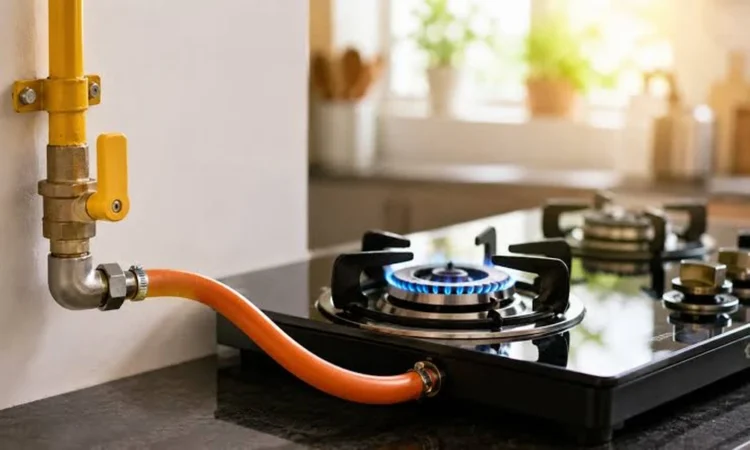
A dependable energy supply makes daily household tasks easier to manage. Gas connections remain a practical energy source for cooking, heating water, and other routine needs. Planning the installation properly ensures each property gets an arrangement that matches its layout and usage. Homeowners can understand the necessary arrangements and connect gas to house with a suitable setup that supports their everyday energy needs.
Reliable Household Energy Access
Steady energy access keeps daily routines running without disruption. A correctly installed connection handles regular cooking needs and provides consistent supply. The right arrangement depends largely on property size and expected usage.
Planning Suitable Connection Requirements
Preparation gives homeowners a clear picture of what the installation involves. A property assessment locates practical entry points and existing infrastructure. These details also help families estimate their likely usage.
Key preparation steps include:
· Review household usage before deciding on connection capacity.
· Identify accessible entry points for straightforward pipe installation.
· Gather ownership documents before submitting the application.
· Provide clear access for authorised installation professionals.
· Confirm all applicable charges before completing registration.
Planning early makes the application stage easier to handle. It also allows smoother coordination with authorised providers during installation.
Professional Installation And Safety
Safe household operation starts with correct installation. Qualified technicians inspect the property before deciding on the pipe layout. They also check ventilation and equipment placement to meet required operating standards.
Homeowners should use approved fittings and compatible equipment. Routine inspections reveal maintenance needs early and keep the system working reliably. Anyone planning to connect gas to house should book a professional assessment through an authorised provider. Following the installer’s instructions also helps keep the home safe.
Efficient Domestic Energy Management
Careful energy use helps families keep consumption under control. Choosing appliances that match household needs improves efficiency. Proper care of equipment also keeps performance consistent.
Practical habits for families include:
· Choose appliances based on regular household usage.
· Schedule inspections in line with manufacturer maintenance guidelines.
· Keep ventilation clear around approved cooking equipment.
· Turn off appliances once they are no longer in use.
· Follow the operating instructions supplied with installed equipment.
Tracking monthly usage gives homeowners a clearer view of their actual needs. The right appliance choices also make household expenses easier to manage.
Understanding Application Procedures
The application process usually involves registration and property verification. Homeowners may be asked for identification and proof of ownership. Providers review these details before scheduling a property assessment.
Once the checks are complete, authorised professionals decide on the installation layout. Technicians then carry out the approved work and complete the required inspections.
Responsible Household Energy Practices
Routine equipment checks support safe and reliable operation. Families should read the operating instructions before using newly installed appliances. Keeping connection points accessible also makes maintenance inspections easier for professionals.
Approved safety instructions should be followed during everyday use. Any suspected leak needs immediate action. Residents should avoid naked flames and electrical switches, move to a safe area, and then contact emergency services.
Proper planning and professional installation give families a dependable household energy setup. Approved equipment and adherence to safety instructions support consistent everyday use. Regular inspections preserve equipment performance, while sensible consumption leads to better household management. The right installation lets homeowners meet daily energy needs with confidence.
FAQ
What documents are required for household connection applications?
Applicants usually need proof of identity and property ownership documents.
Who should complete residential connection installation work?
Installations should be carried out by authorised technicians in line with applicable safety standards.
Why are regular equipment inspections important for households?
Periodic inspections keep equipment operating safely and performing as expected.