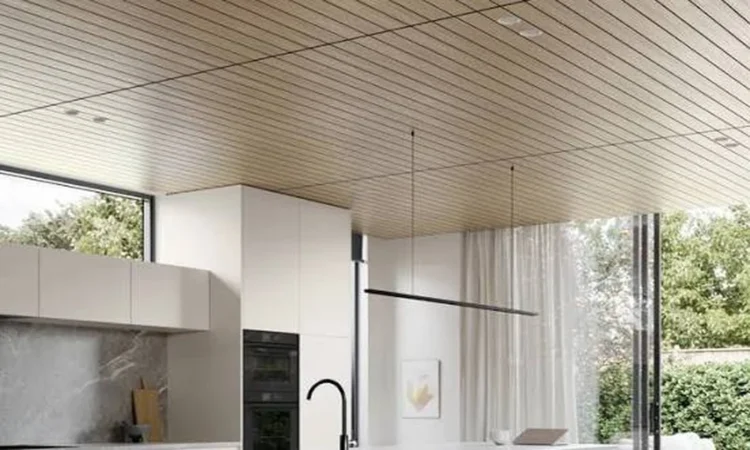
When people hear the term acoustic treatment, they often assume it is only relevant for recording studios or specialised environments. In reality, it has become increasingly common across offices, commercial spaces, and even residential projects in Singapore.
Acoustic treatment refers to the use of materials and design strategies to control how sound behaves within a space. Rather than blocking noise completely, it focuses on improving sound quality by reducing echoes, managing reverberation, and creating a more comfortable auditory environment.
In a dense and fast-paced city like Singapore, where spaces are often shared and compact, this type of solution can make a noticeable difference.
Why Acoustic Treatment Is Gaining Importance in Singapore
Singapore’s urban landscape presents unique challenges when it comes to noise. High-rise buildings, open-plan offices, and mixed-use developments all contribute to environments where sound can easily travel and overlap.
In workplaces, this often leads to distractions that affect concentration and productivity. In commercial settings such as restaurants or retail spaces, excessive noise can impact customer experience. Even in residential units, poor acoustics can make everyday living less comfortable.
As a result, more project owners and designers are considering acoustic treatment as part of their overall planning process rather than a last-minute addition.
Signs Your Project May Need Acoustic Treatment
Not every space requires extensive acoustic solutions, but there are clear indicators that it may be worth considering.
One of the most common signs is persistent echo or reverberation. If conversations sound unclear or voices seem to bounce around the room, it is often due to hard surfaces reflecting sound.
Another indicator is difficulty maintaining privacy. In offices, for example, conversations may carry further than intended, making it hard to hold meetings or calls without distraction.
High levels of background noise, especially in open or shared spaces, can also signal the need for acoustic improvement. If people frequently raise their voices to be heard, the space may not be acoustically balanced.
Types of Spaces That Benefit Most
Acoustic treatment can be applied across a wide range of environments, but some spaces benefit more than others.
Open-plan offices are one of the most common examples. While they encourage collaboration, they often struggle with noise control. Acoustic panels, ceiling treatments, and partitions can help create a more balanced environment.
Meeting rooms and conference areas also benefit significantly. Clear communication is essential in these spaces, and managing sound quality ensures that conversations are easily understood.
Commercial settings such as cafés, restaurants, and retail stores can use acoustic treatment to improve customer comfort. A space that is too noisy can feel overwhelming, while a well-balanced environment encourages people to stay longer.
Even residential spaces, particularly those with modern open layouts, can benefit from acoustic improvements to enhance everyday comfort.
Balancing Aesthetics and Performance
One concern that often comes up is whether acoustic treatment will affect the visual design of a space. In the past, this may have been a valid worry, but modern solutions have evolved significantly.
Today’s acoustic materials are designed to blend seamlessly into interiors. Panels come in a wide range of colours, textures, and finishes, allowing them to complement existing design themes.
In many cases, they are used as design features rather than hidden elements. This means you do not have to compromise on aesthetics to achieve better sound quality.
The key is to integrate acoustic treatment early in the design process so that it becomes part of the overall concept rather than an afterthought.
Cost Considerations and Long-Term Value
Cost is another factor that project owners often evaluate. Acoustic treatment does involve an upfront investment, but it is important to consider the long-term benefits.
In office environments, improved acoustics can lead to better productivity and employee satisfaction. In commercial spaces, it can enhance customer experience and encourage repeat visits.
Addressing acoustic issues early is also more cost-effective than making adjustments later. Retrofitting a space can be more complex and may require additional modifications.
When viewed as part of the overall project value, acoustic treatment often proves to be a worthwhile investment.
Working With the Right Approach
Choosing the right acoustic solution depends on the specific needs of your project. Factors such as room size, layout, materials, and usage all influence the type of treatment required.
A targeted approach usually works best. Instead of covering every surface, treatments are applied strategically where they will have the most impact. This ensures efficiency while maintaining the intended design.
Professional assessment or consultation can also help identify the most effective solutions, especially for larger or more complex projects.
When Acoustic Treatment Might Not Be Necessary
While acoustic treatment offers many benefits, it is not always essential for every project. Smaller spaces with soft furnishings, carpets, and curtains may already have acceptable sound conditions.
Similarly, areas with minimal activity or limited occupancy may not require extensive acoustic adjustments.
The key is to evaluate the function of the space and the level of noise expected. If sound is unlikely to affect comfort or usability, simpler solutions may be sufficient.
Final Thoughts
Deciding whether acoustic treatment is right for your project in Singapore comes down to understanding how sound affects the space and the people using it.
In many modern environments, especially those with open layouts and high activity levels, acoustic treatment plays an important role in creating a comfortable and functional setting. It improves clarity, reduces distractions, and enhances overall experience without compromising design.
By considering acoustic needs early and taking a balanced approach, you can ensure that your space not only looks good but also feels right to be in.