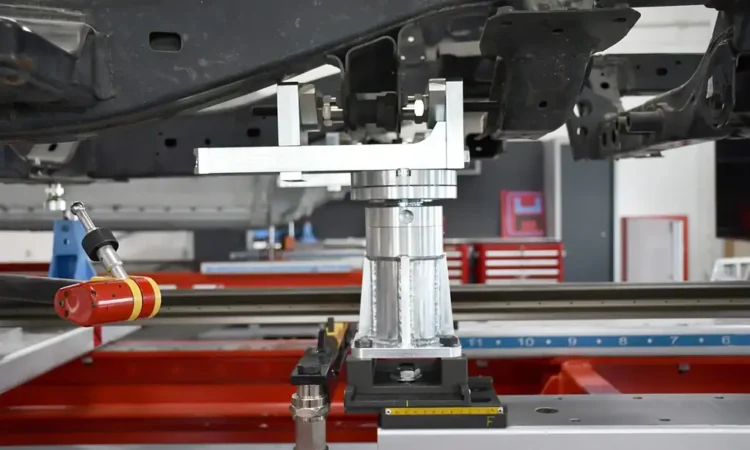
Strong repair work depends on proper tools that hold the structure firmly during alignment tasks. Secure gripping tools play a key role in restoring shape without causing further damage to metal sections. Among these tools, auto body frame pulling clamps are widely used because they provide a strong hold during pulling processes. Their design supports accurate force distribution, which helps maintain balance while correcting bent sections. Selecting the correct clamp type ensures safety, better control, and long-lasting results during repair procedures across different structural conditions.
Clamp Strength Supports Repair Stability
Strong clamps provide a firm grip on metal sections, which prevents slipping during pulling tasks while ensuring accurate alignment throughout the repair process without causing additional surface damage.
Proper Grip Prevents Metal Damage
Secure gripping design reduces the risk of surface marks or deformation, which helps maintain structural quality while ensuring that force is applied evenly during straightening operations across damaged sections.
Budget-Friendly Clamp Selection Tips
Affordable options can still provide reliable performance when selected carefully based on quality features that support durability and consistent holding strength during regular repair use.
• Compare material strength before purchase, which helps ensure durability during repeated use without weakening under pressure conditions.
• Check grip design carefully to confirm a secure hold, which reduces slipping during pulling tasks across different repair situations.
• Select clamps with adjustable features to improve flexibility, which supports varied alignment needs during structural corrections effectively.
Material Quality Ensures Long Use
Durable materials increase clamp life while maintaining strength under pressure, which allows repeated use without losing performance during demanding repair tasks that require steady holding force.
Correct Size Improves Control
Selecting the proper clamp size helps match the working area, which improves control during pulling tasks while avoiding imbalance that may occur due to incorrect fit on structural sections.
Clamp Design Affects Performance
Different designs offer varied grip styles which influence how force is distributed across the surface while ensuring stable attachment during pulling or alignment procedures for better results.
Safety Measures During Clamp Usage
Using clamps with proper locking systems ensures safe handling while reducing chances of sudden release during pressure application, which protects both structure and operator during repair work.
Multi-angle clamps improve flexibility
Flexible clamps allow positioning at different angles which supports complex repair tasks while ensuring steady grip on irregular surfaces that require careful adjustment during alignment processes.
Proper Storage Extends Clamp Life
Correct storage prevents damage while maintaining tool condition for long term use.
• Keep clamps in dry areas to avoid rust formation which may reduce strength during future repair tasks.
• Store tools in organized spaces to prevent accidental damage which helps maintain their original shape and function over time.
• Avoid stacking heavy items on clamps which may cause bending and reduce their effectiveness during alignment operations.
Effective repair results depend on using proper tools that provide control strength and reliability during structural correction tasks. Careful selection based on design size and durability ensures better performance across different repair conditions. Understanding tool features helps improve accuracy while reducing effort during alignment procedures. Consistent maintenance also supports long term usability and dependable results. When chosen wisely, auto body frame pulling clamps help achieve stable outcomes while maintaining structural integrity and improving overall repair efficiency without unnecessary complications.